Groups also assist with playhouse and building design projects
It’s difficult for anyone to testify in court.
It’s especially difficult for a child who has experienced abuse.
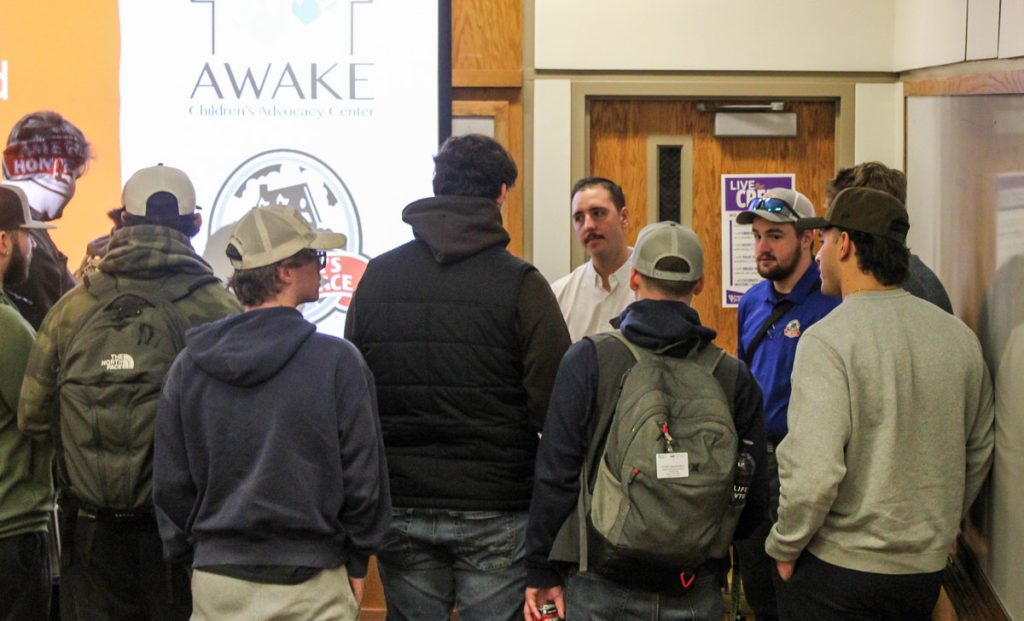
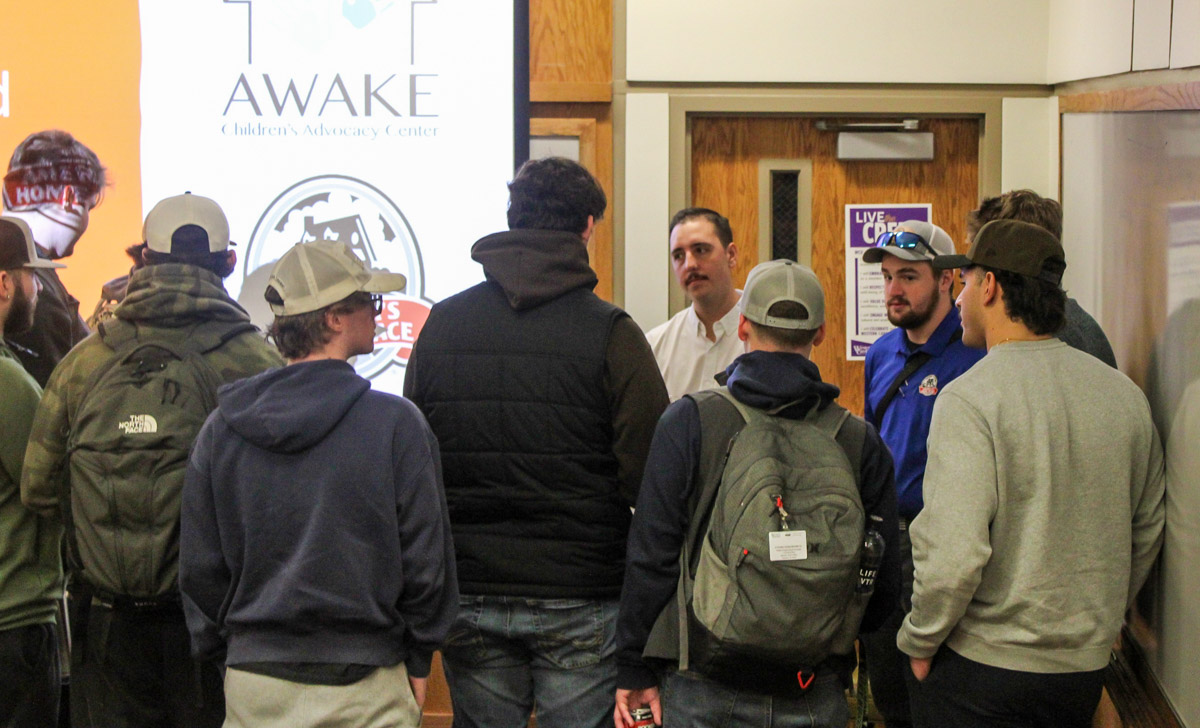
That’s what Crystal Jones, executive director of AWAKE Children’s Advocacy Center, was thinking about when she and Chris Cox of Western Carolina University began talking about potential service-learning projects. They were brainstorming projects where Cox’s construction management students could apply hands-on what they are learning in ways that would support AWAKE, a nonprofit organization that coordinates services for victims of abuse in Jackson and Swain Counties.
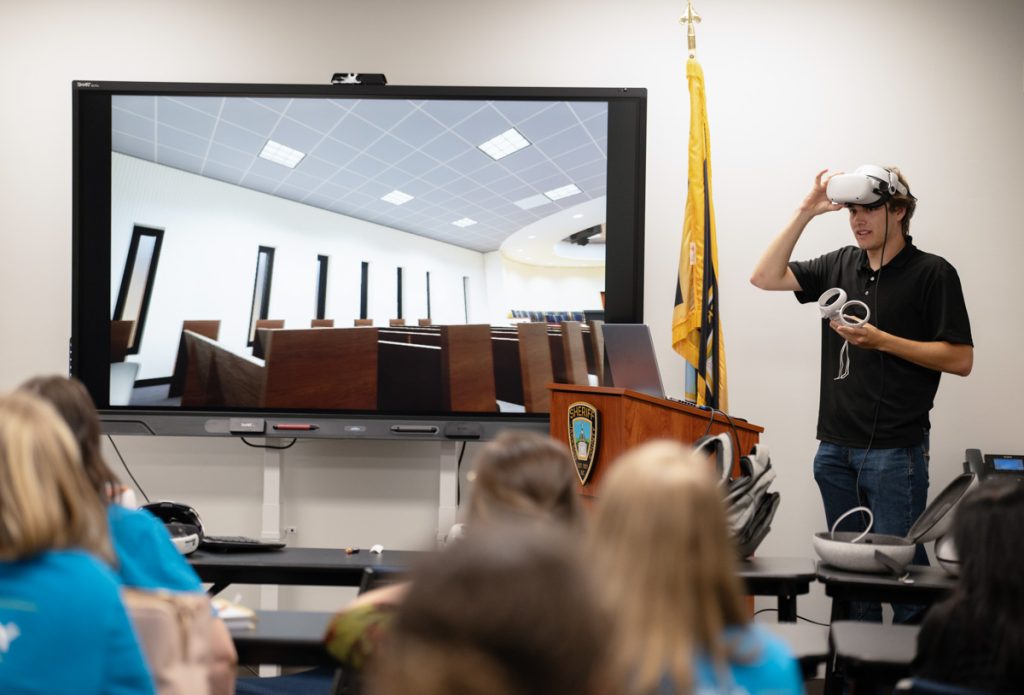
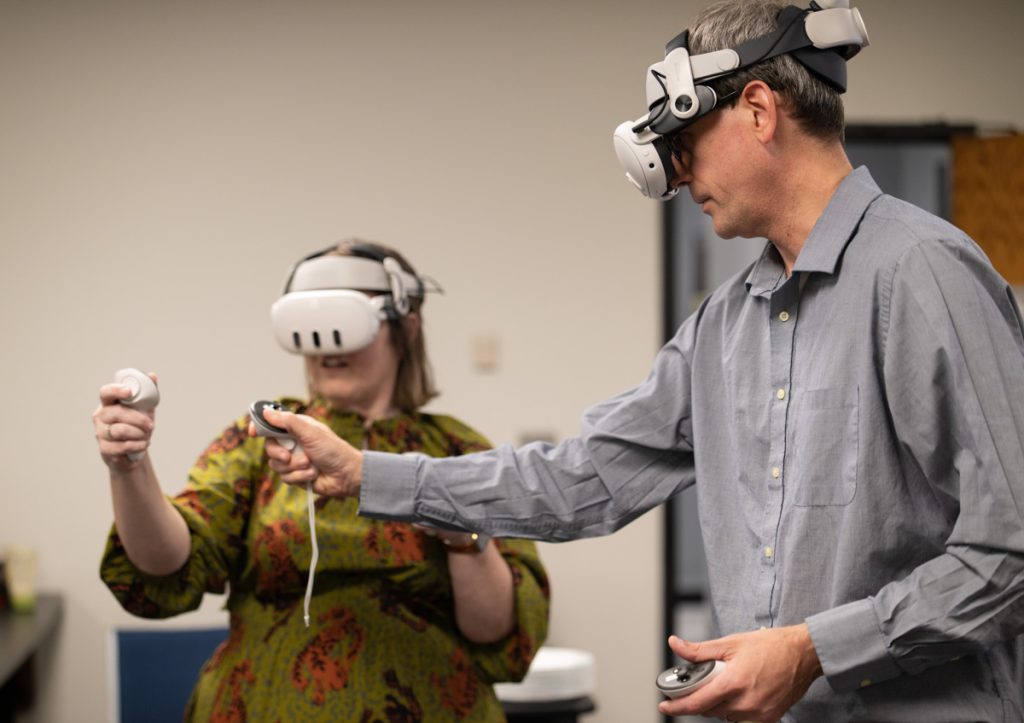
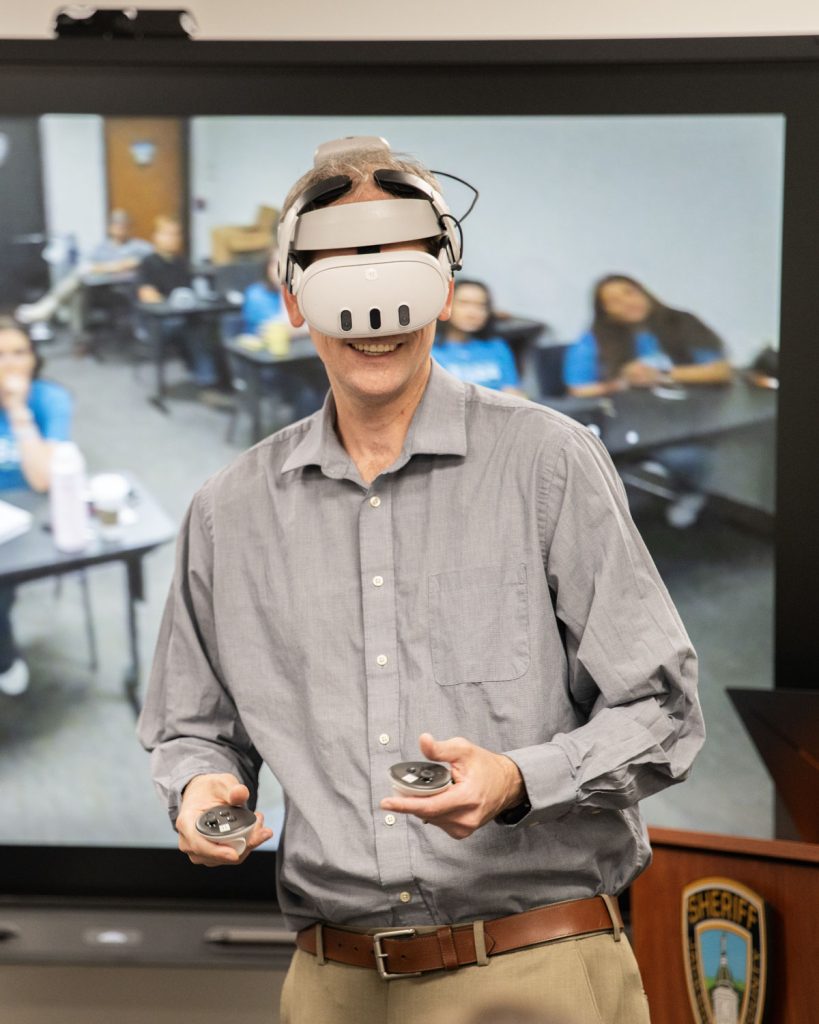
“Imagine how it feels to be a small child looking out at all these individuals and telling some of the most difficult details of your life,” Jones said. “AWAKE therapists work with children on coping skills to prepare them for court, and we started thinking about how we can bring the courtroom to the child (beforehand) without bringing the child to the courtroom. Our discussion evolved from the idea of building a child-sized playhouse courtroom to building a virtual courtroom.”
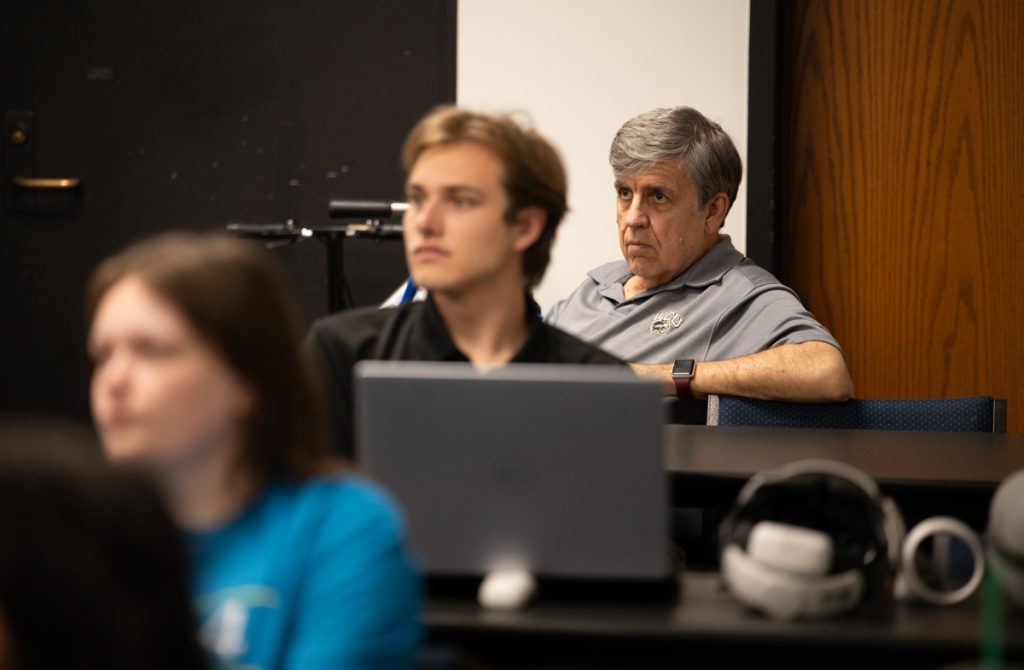
Cox, a faculty member within the WCU College of Engineering and Technology, said he suggested virtual reality because it’s increasingly used in construction projects.
“Instead of building something as an example, we can create a virtual model of it to get to it faster and not waste materials,” he said.
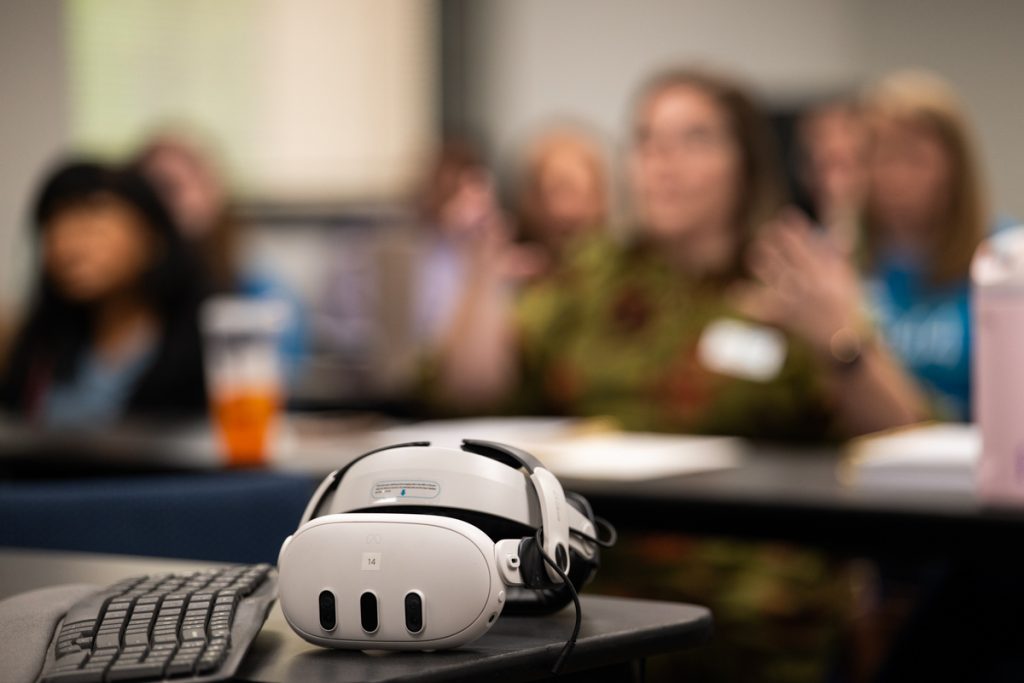
Jones was interested in the project as another way to reduce trauma to the child. Jones also could not find where this had been offered before to victims of child abuse. VR components would enable therapists to walk hand-in-hand with a child through a virtual courtroom, prepare for how they will feel, and remember their coping skills, she said.
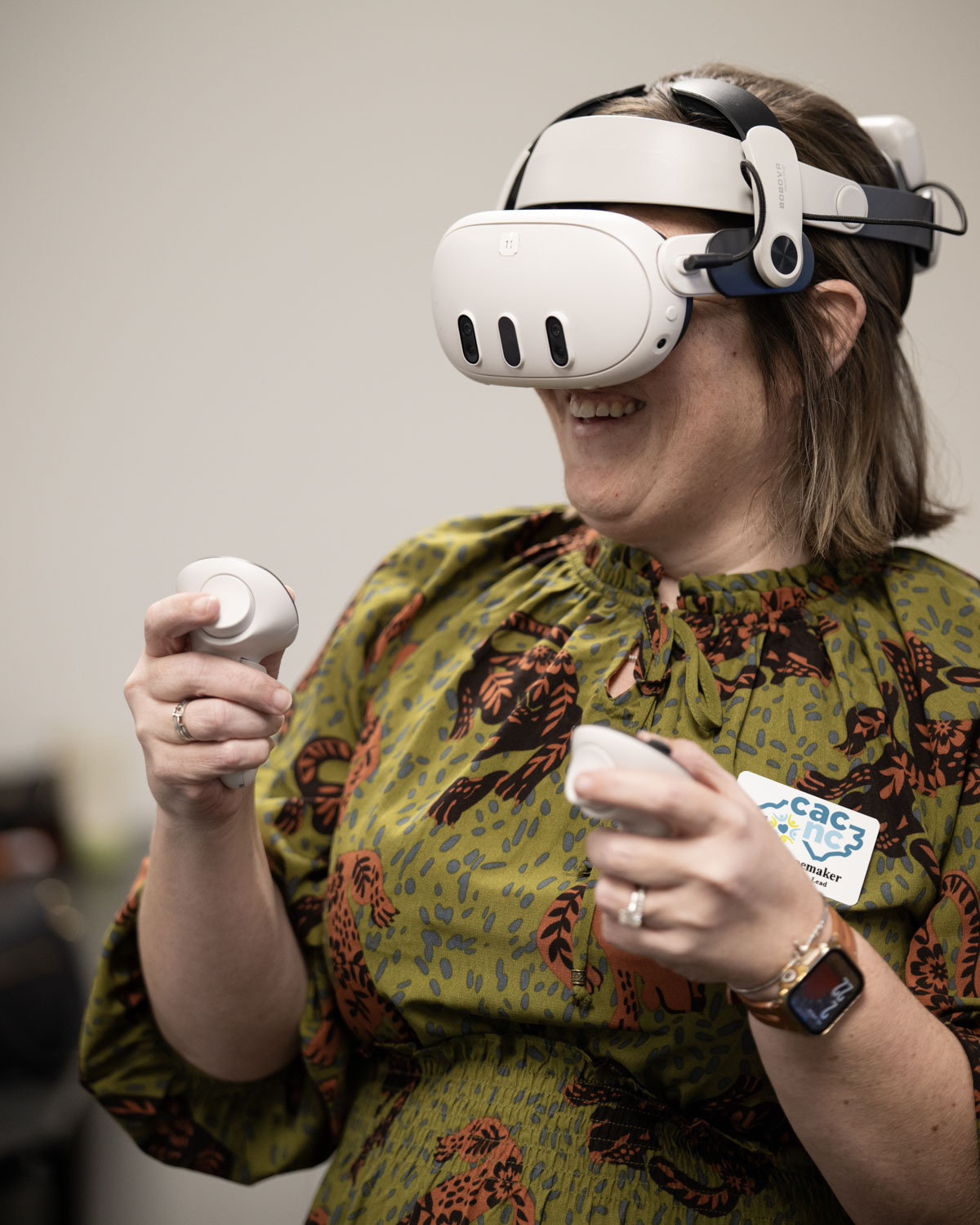
“When the child does enter the actual courtroom, they can be better prepared to use the coping skills they have learned to lessen the trauma and make it more bearable,” she said.
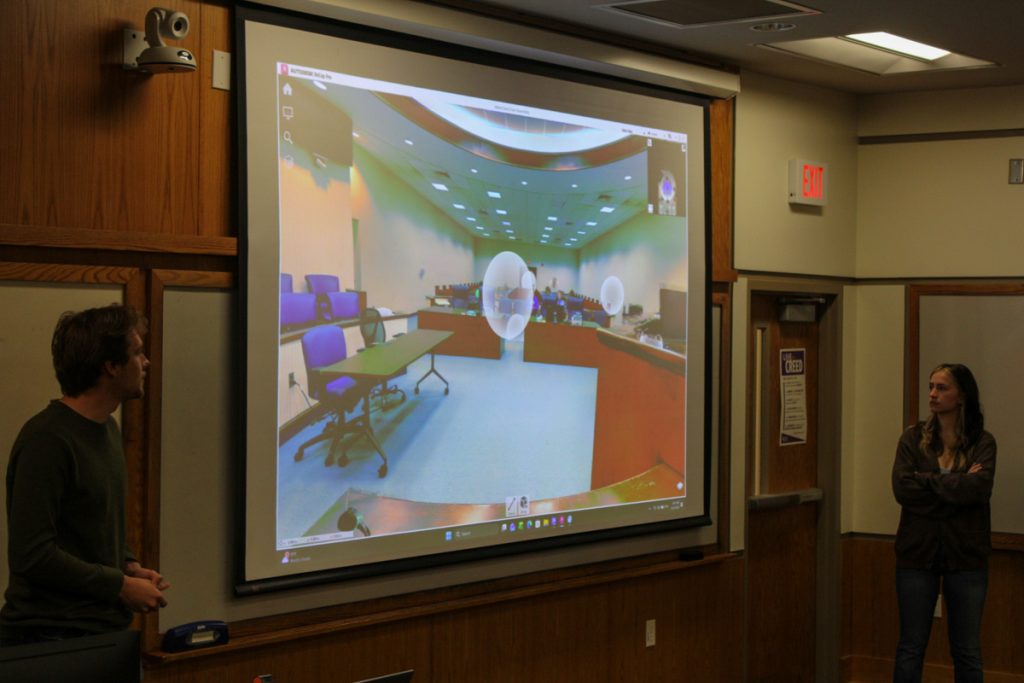
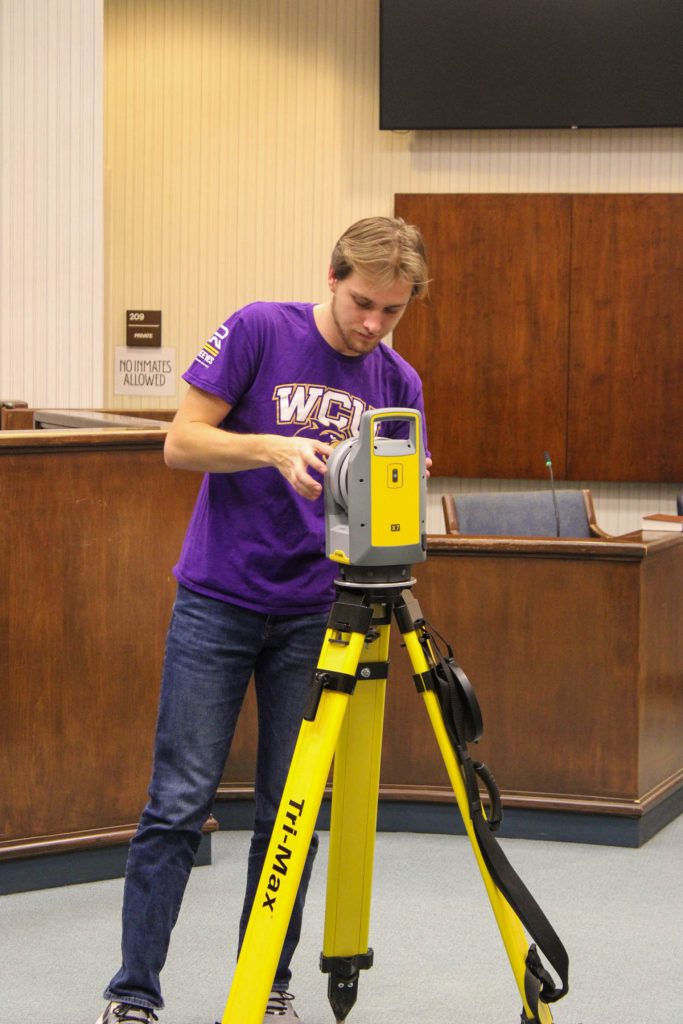
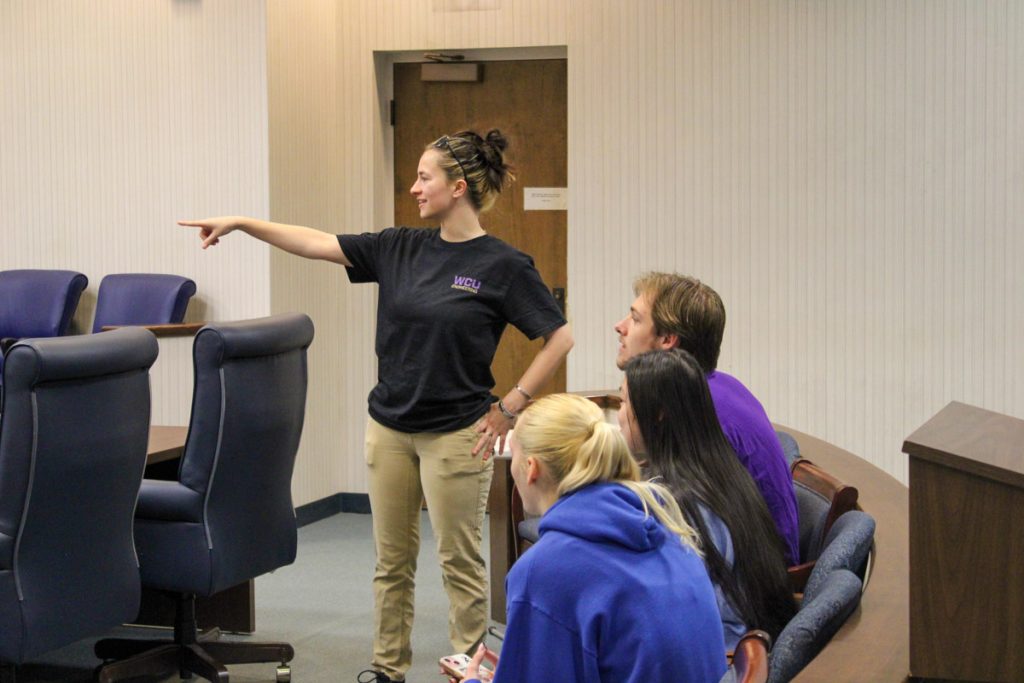
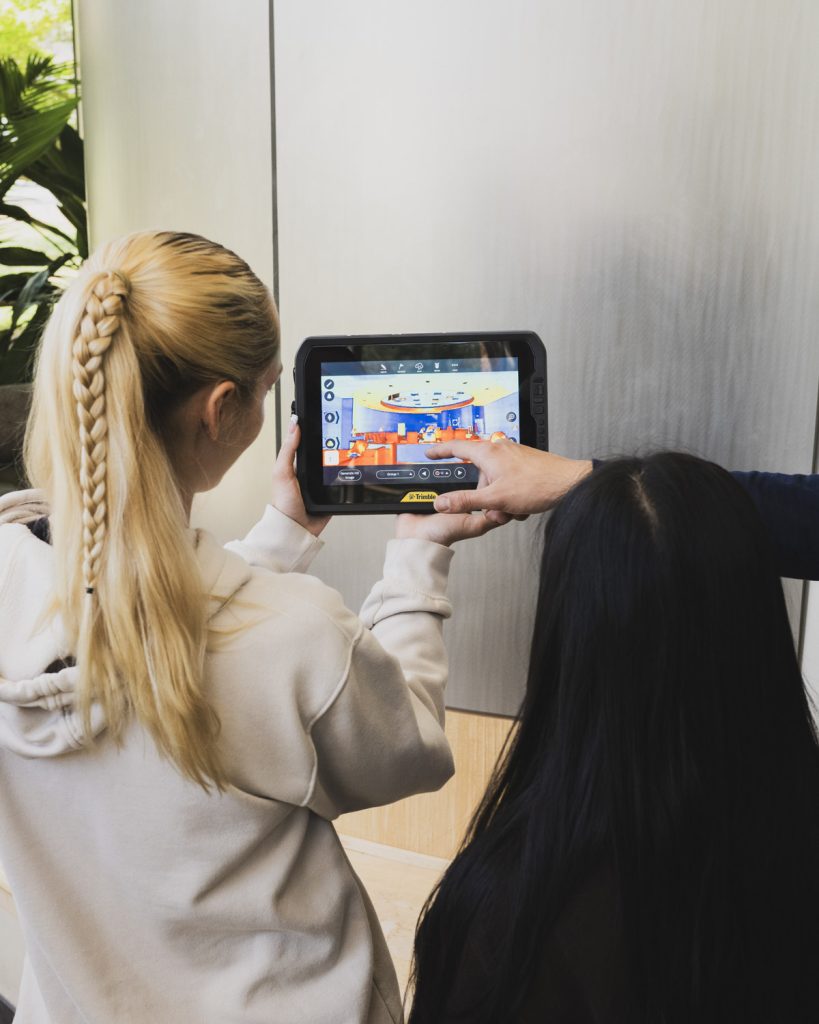
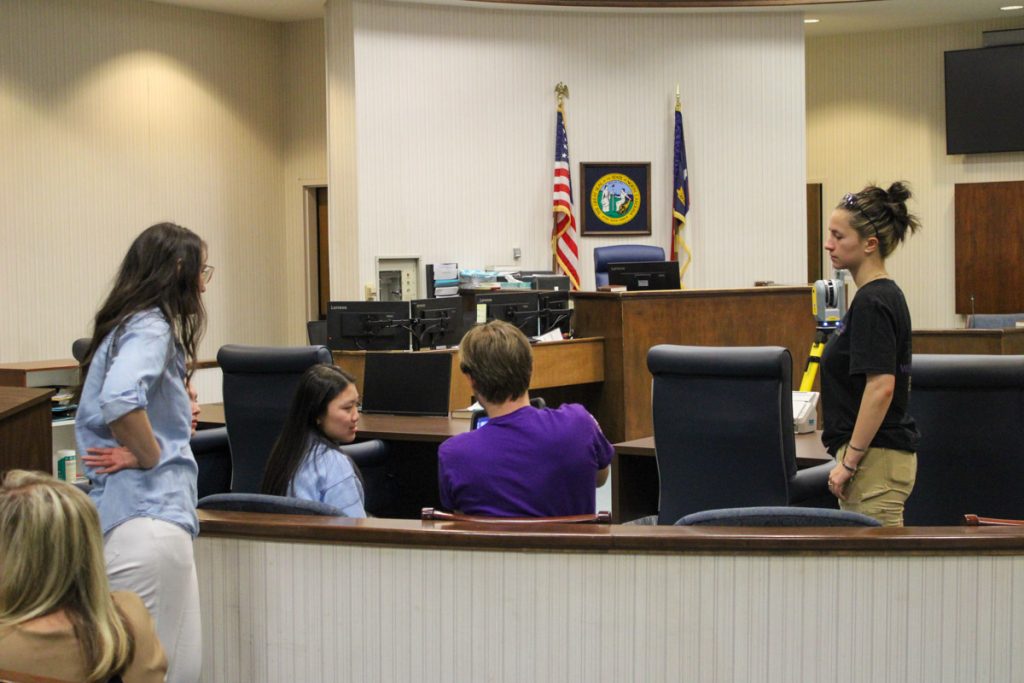
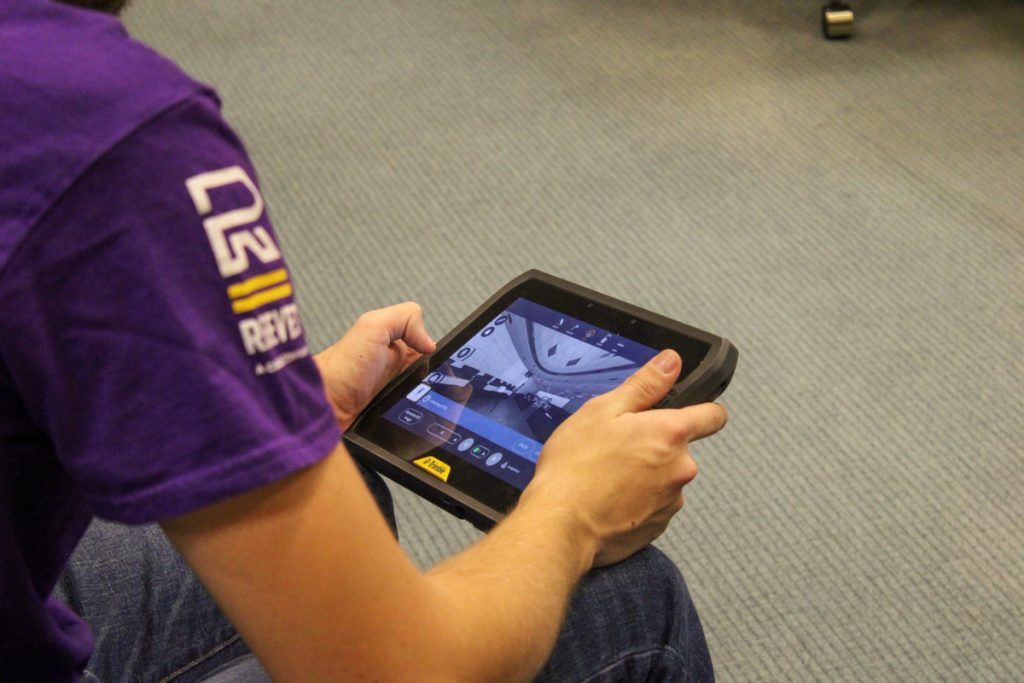
This spring, student teams in Cox’s CM 431 Construction Project Management class, a Carnegie Institute-recognized service-learning course, worked on multiple projects for AWAKE, including the VR project. A student team spent a weekend afternoon at the Jackson County courthouse when court was out of session to capture comprehensive laser scans. Construction firm Robins & Morton and technology consultant VIATechnik then took the digital files to create an initial virtual reality courtroom experience.
“When Western Carolina University engaged us to help with this initiative, it was an easy ‘yes’,” Robins & Morton Regional VDC Manager Raney Sledge said. “Our existing relationship with VIATechnik paired with our in-house technology capabilities made us confident that we could create something that met AWAKE’s needs together. Our company tagline is Building With Purpose® and I can’t think of a project that embodies that call to action more than this one.”
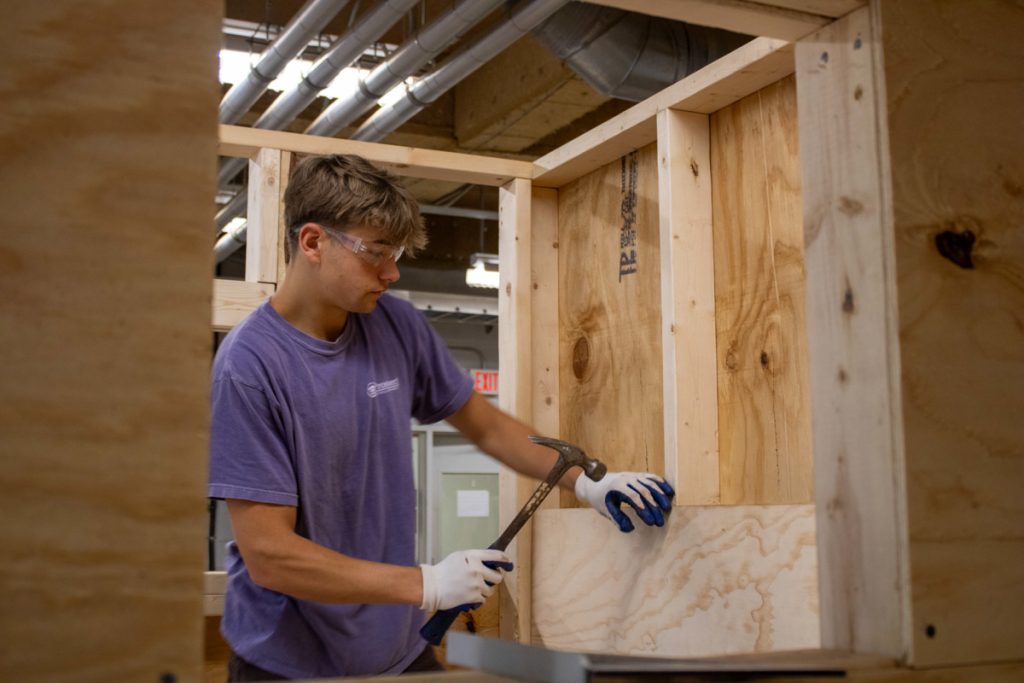
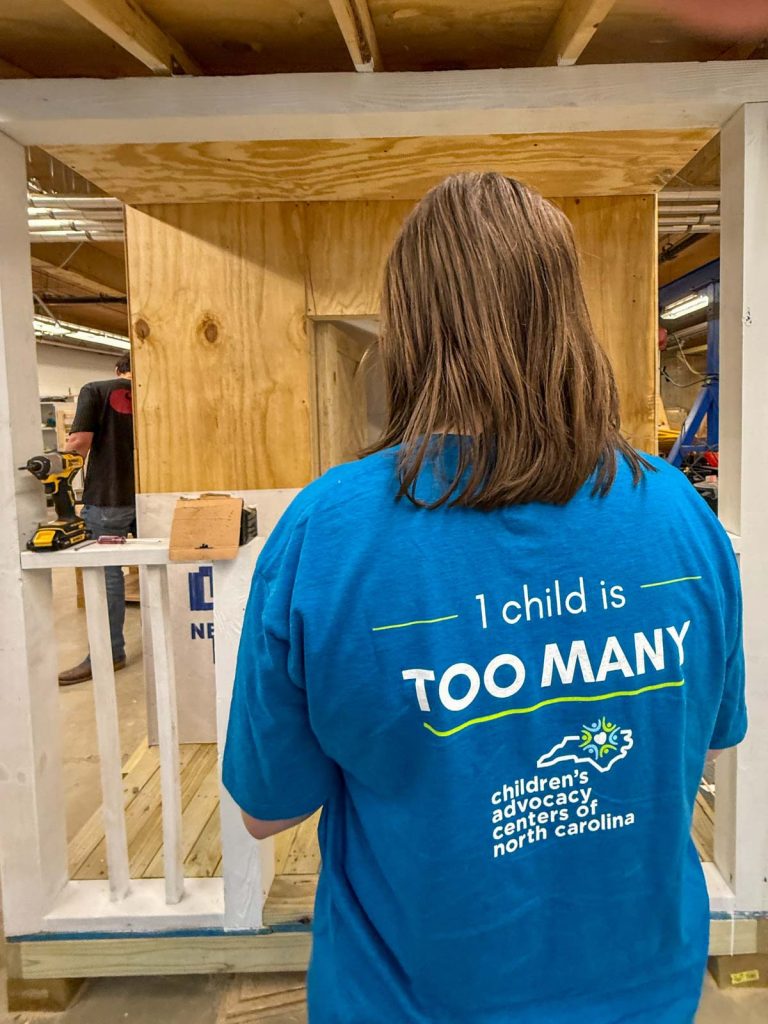
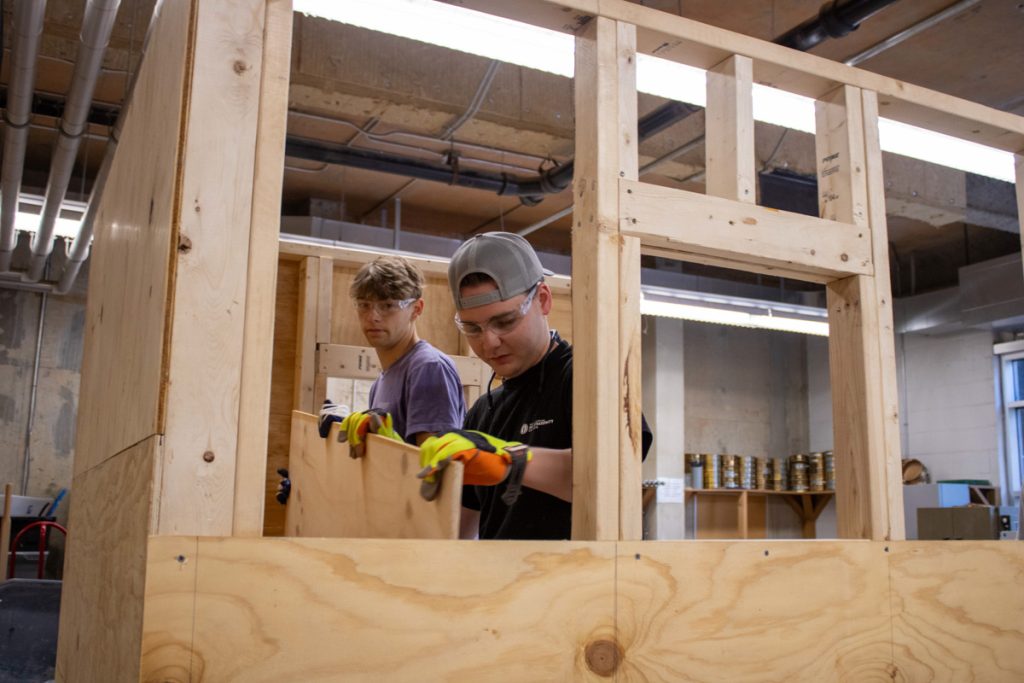
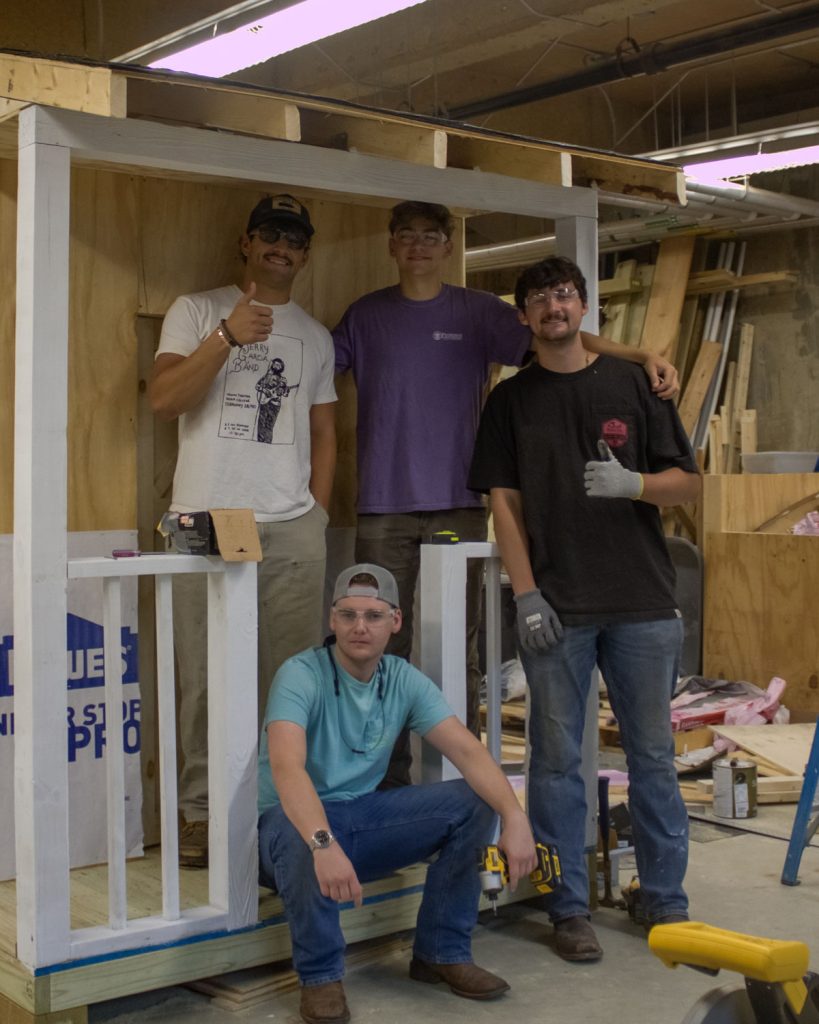
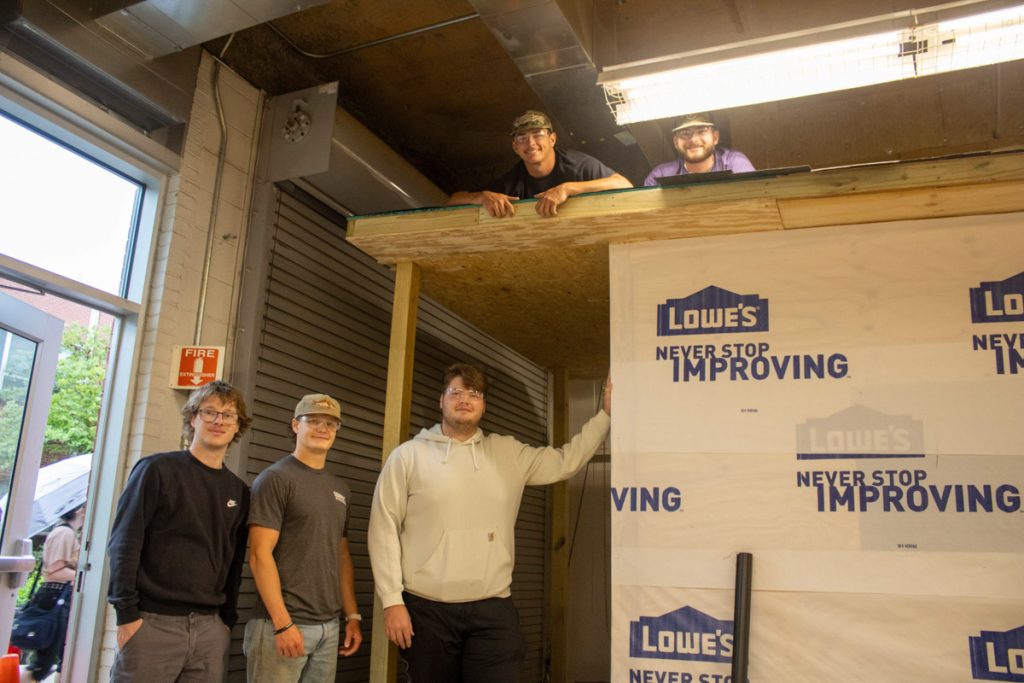
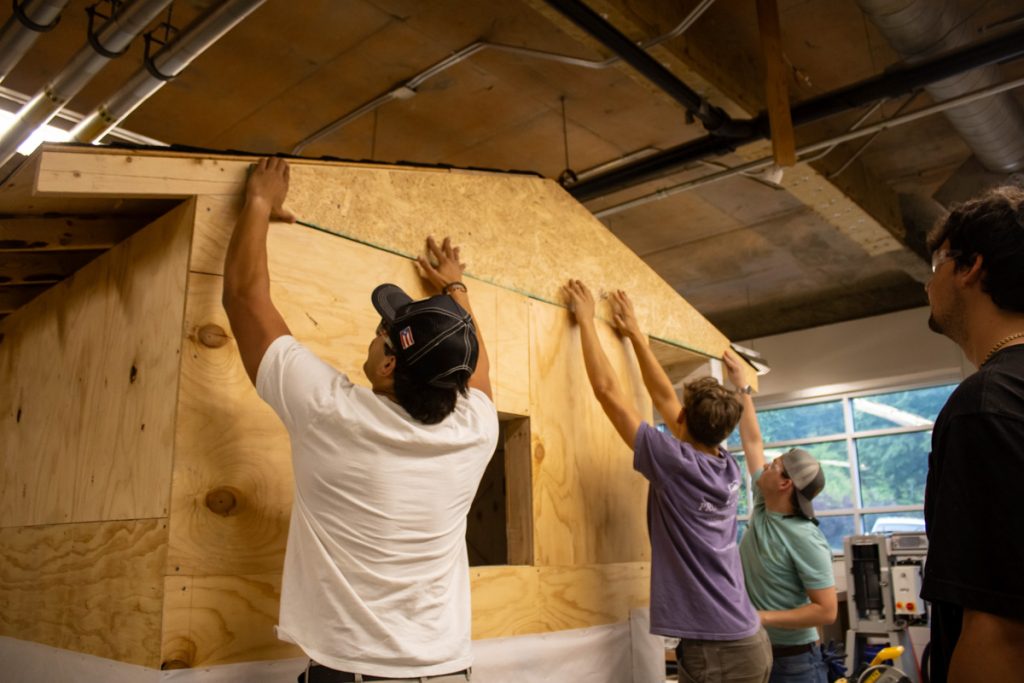
Meanwhile, two other student teams focused on designing and building high-quality playhouses to meet AWAKE’s needs and to be large enough for adults to interact with children inside.
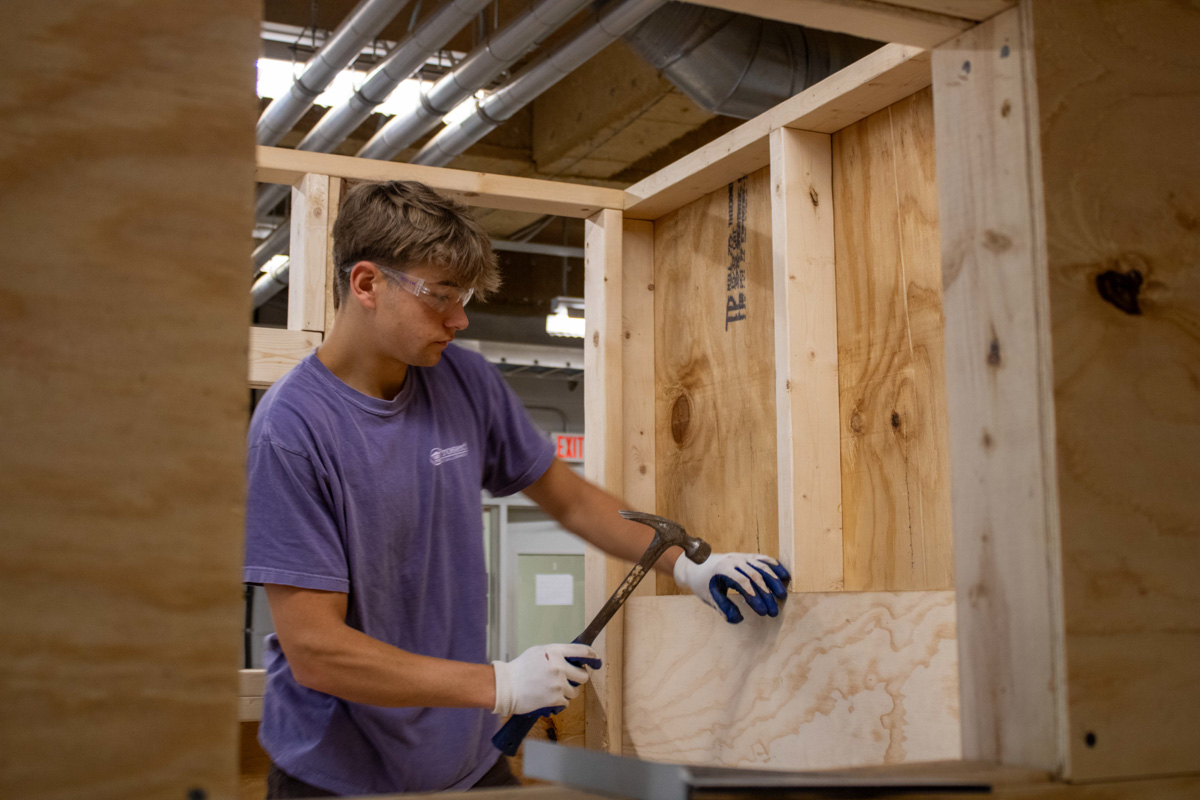
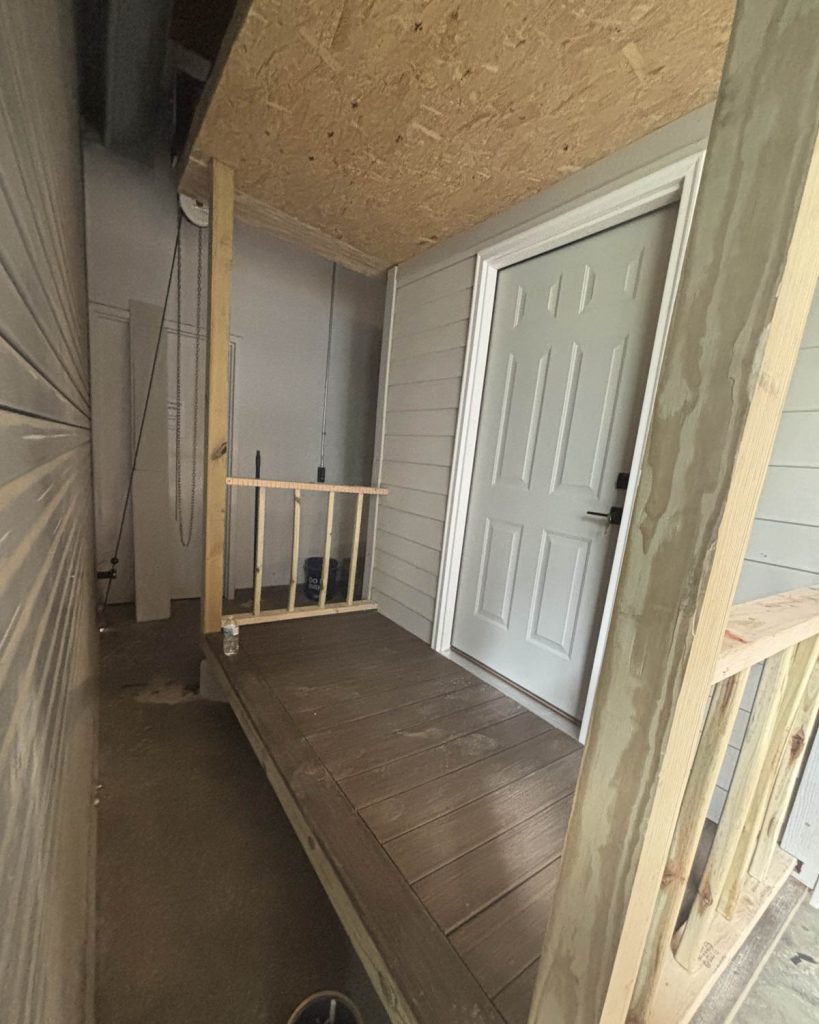
One playhouse will be installed at AWAKE’s Swain County location, offering a great place for outdoor therapeutic activities in the fresh air. Another will be sold as part of a fundraiser for AWAKE. America’s Home Place donated all materials for the playhouses, supported the teams, provided project feedback, and is transporting the playhouses to AWAKE.
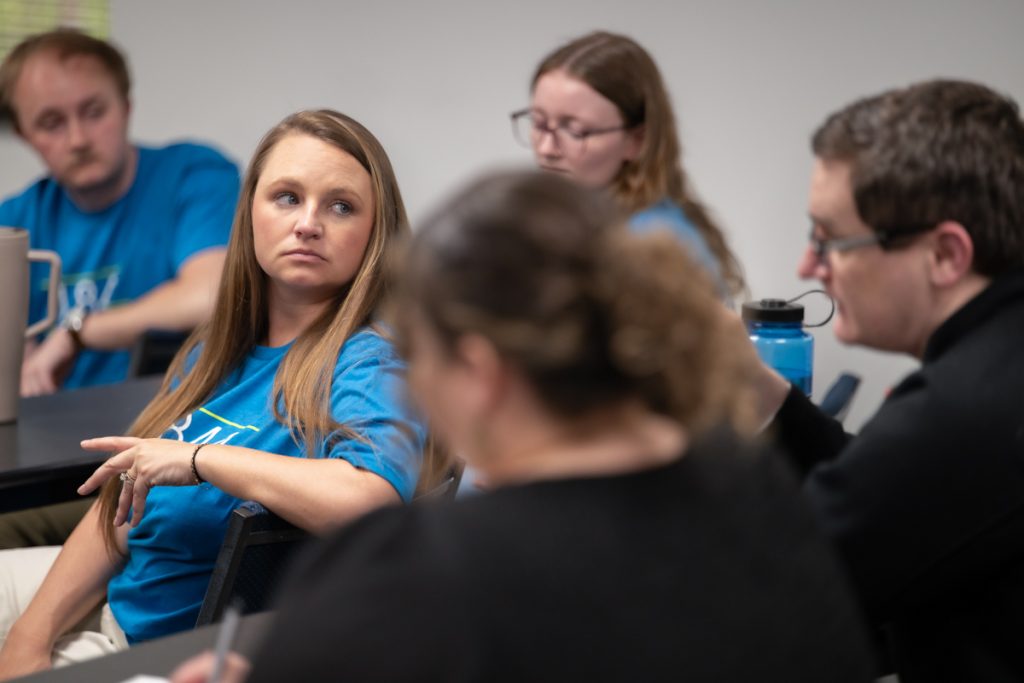
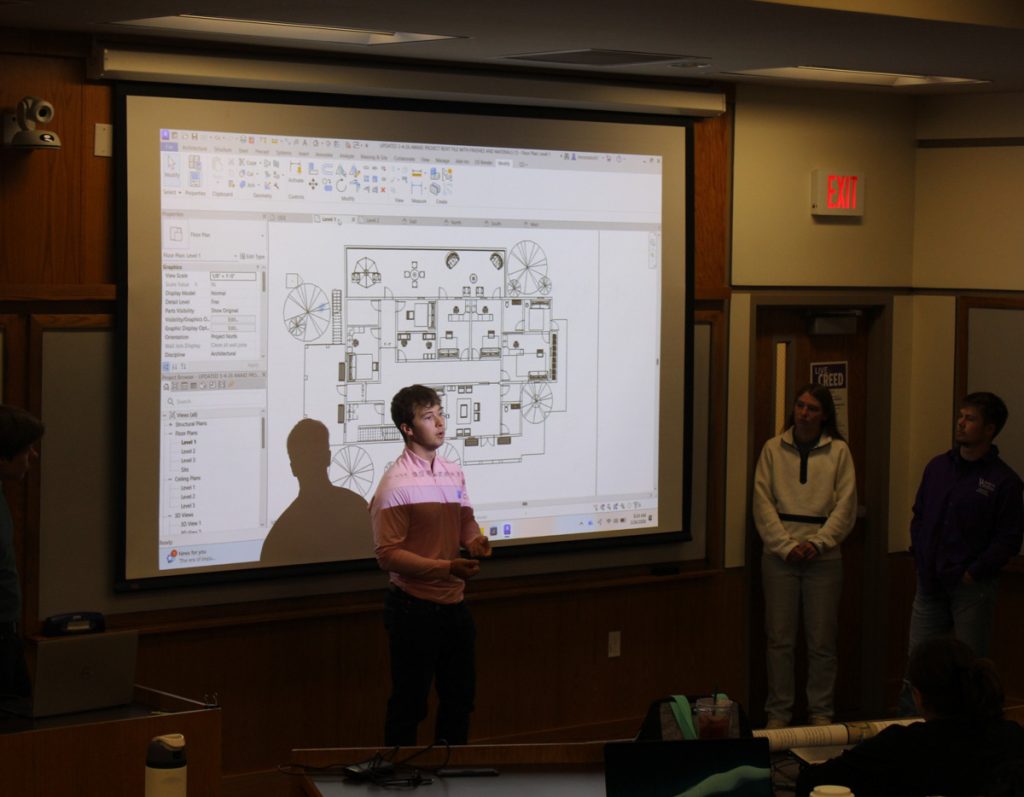
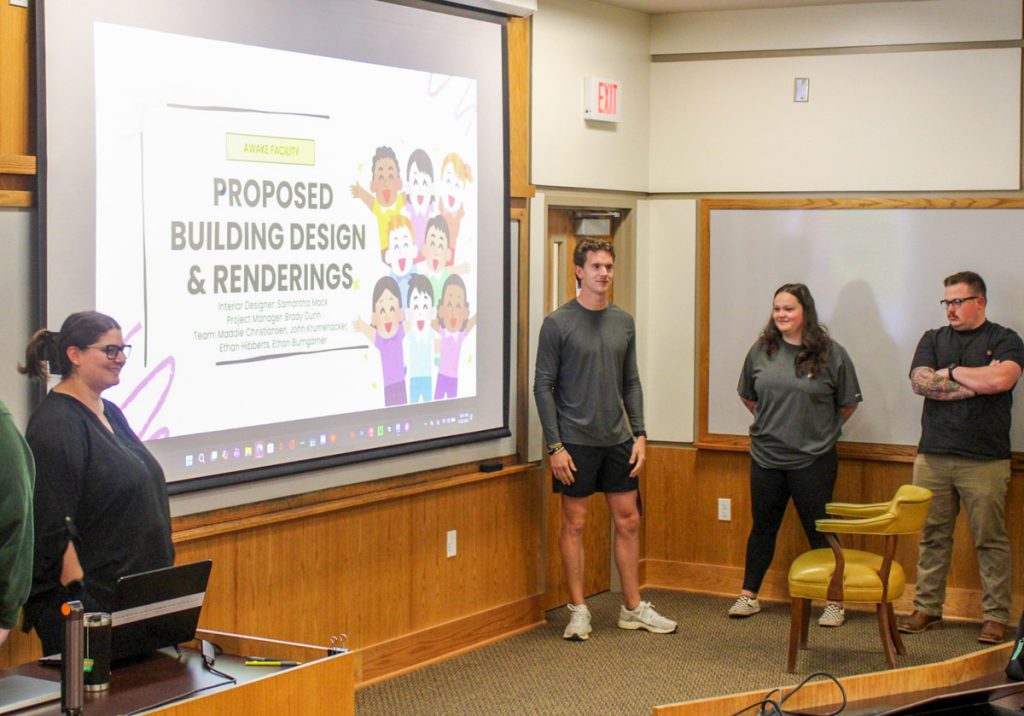
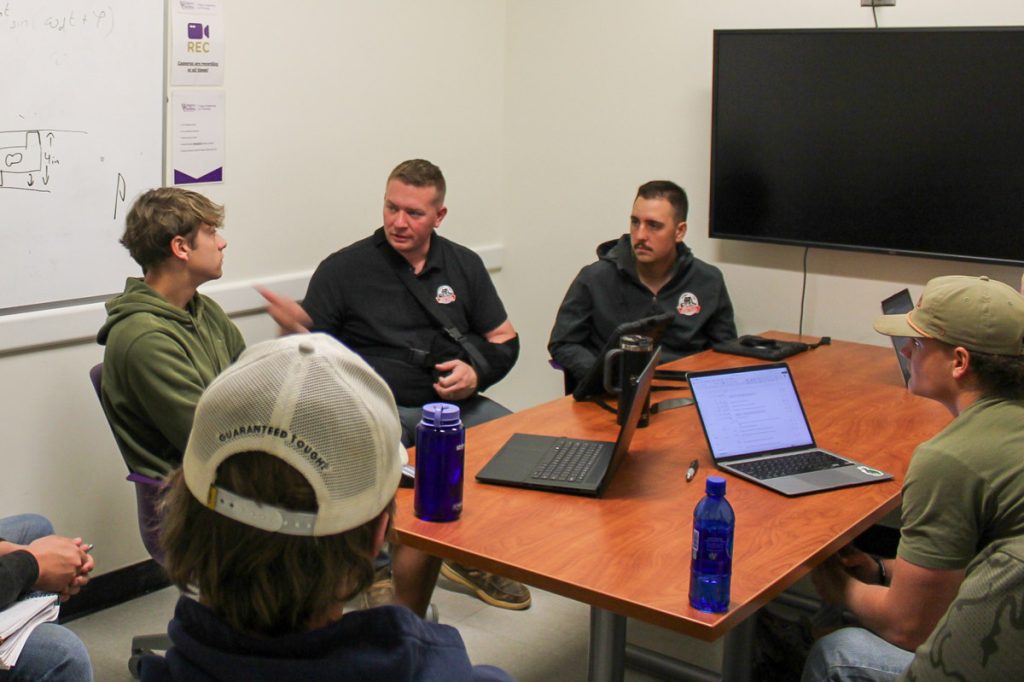
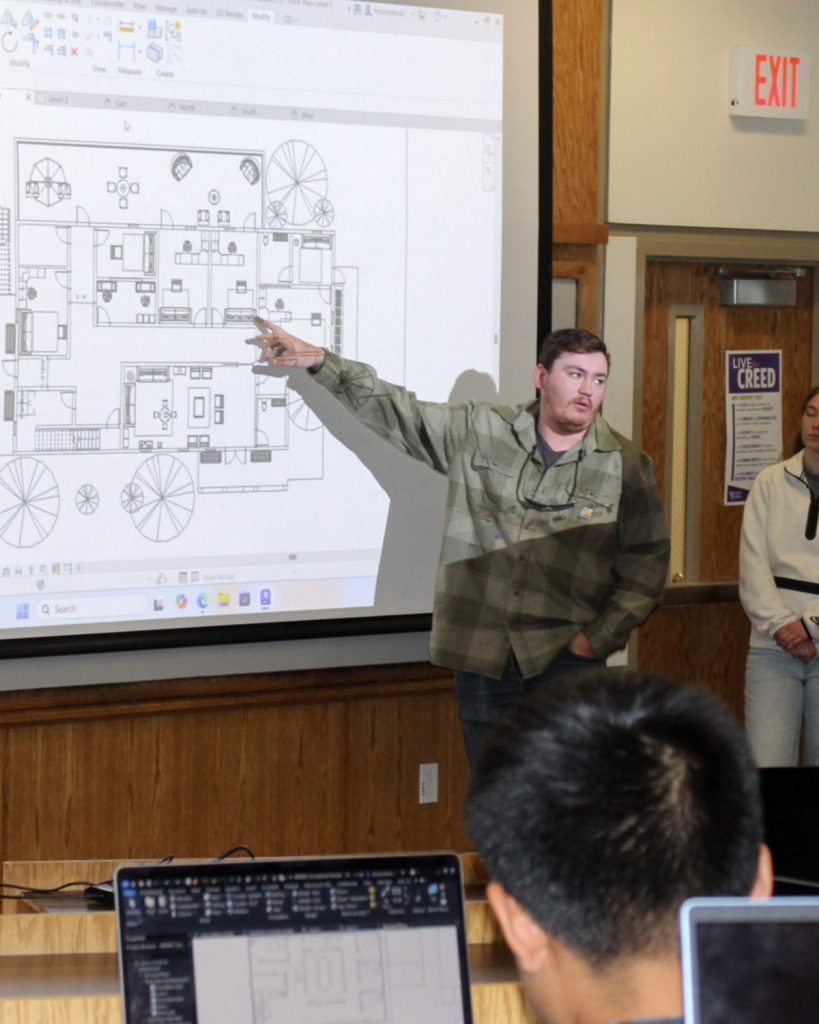
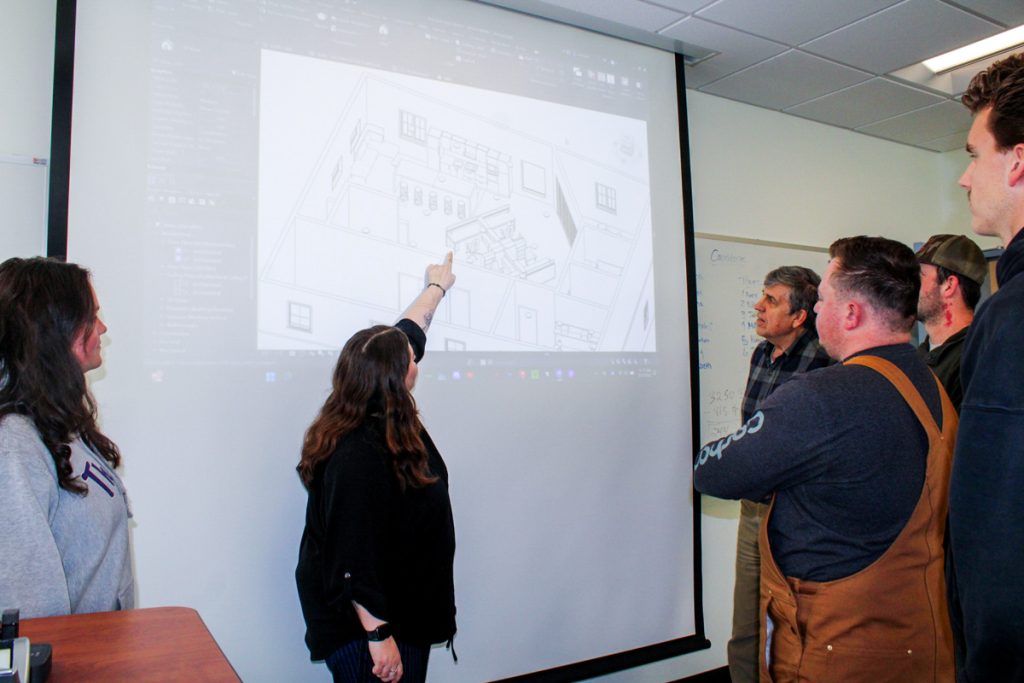
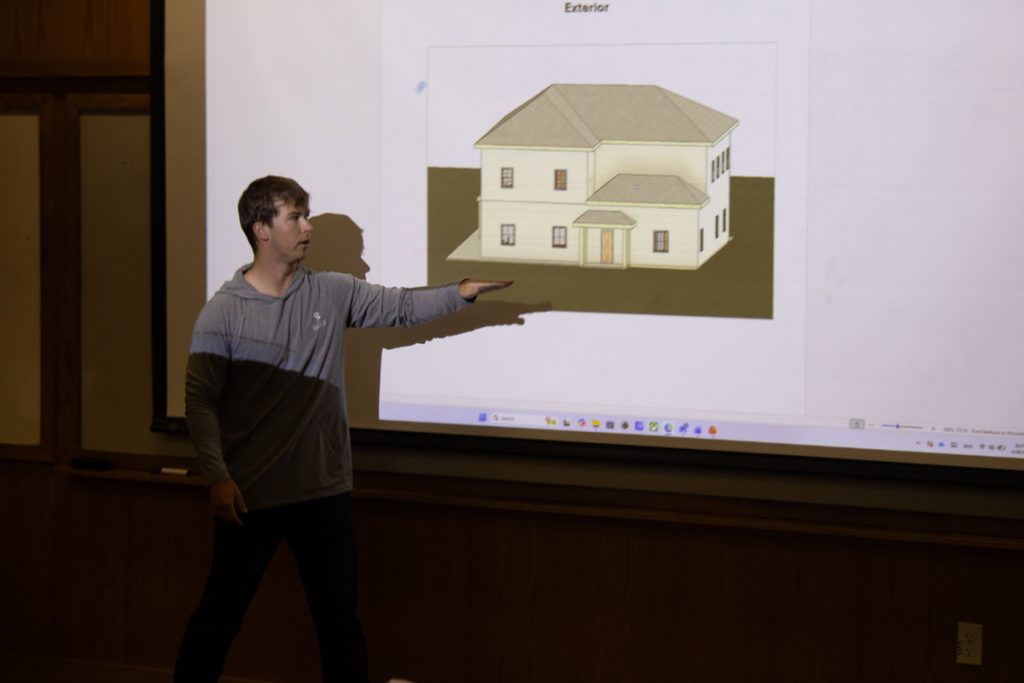
Three additional student teams focused on transforming AWAKE’s wish list for a new mental health and office building into an early building design. Students considered AWAKE’s needs for soundproofing, security, accessibility, bathrooms, lighting, landscaping and more. AWAKE staff reviewed all three designs and identified strengths in each. Student teams then consolidated their work to produce a final design with support from architect Emily Kite from LS3P Associates.
AWAKE leaders plan to use the building design and VR project progress as they consider next steps and seek funding to support future project phases. They said they look forward to working with students again in the future.
“They took what we needed and went far beyond our expectations,” Jones said. “I am so impressed with not only the students’ intellect but their willingness to help.”
Students appreciated the opportunity to work on the projects, with some citing it as their most enjoyable project at WCU.
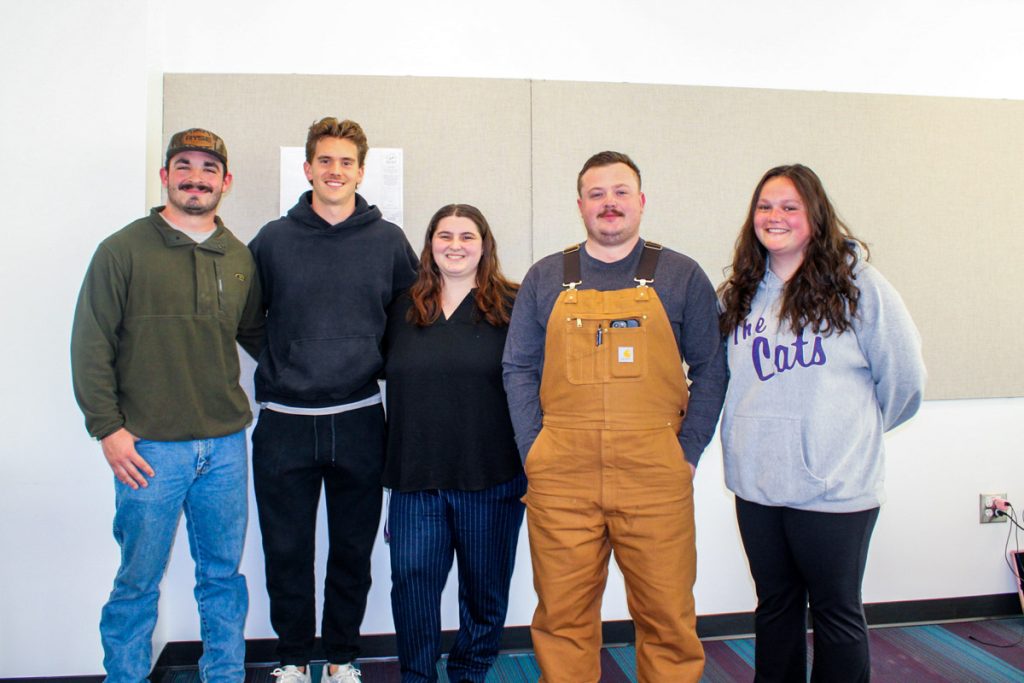
Madison Christiansen from Hayesville said the hardest parts included understanding all the intricate details that go into making a design like this and using Autodesk Revit. Ethan Hibberts from Adairsville, Ga., added that another challenge was the unknowns, such as not knowing what the final site would be like. Brady Dunn of Cullowhee said the project was extremely meaningful to all of them.
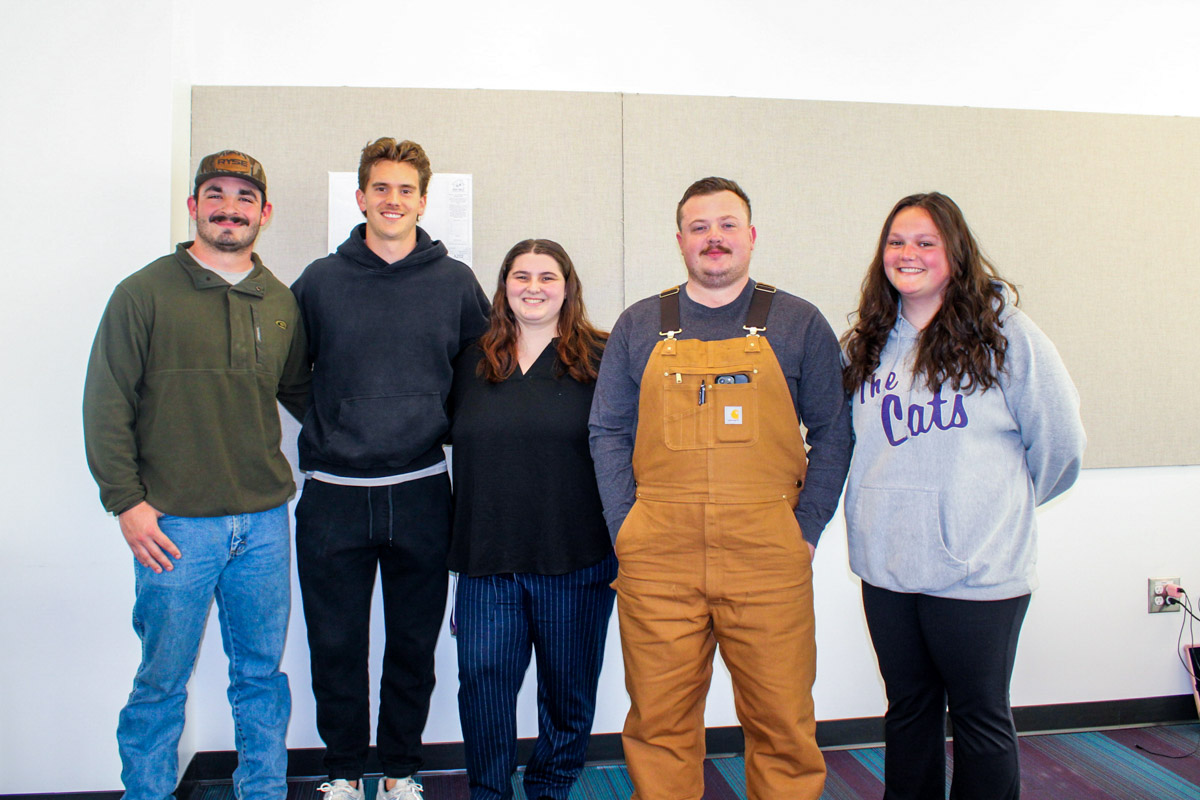
“It helps us give back to the community,” Dunn said. “It’s pretty cool to work closely with the (partner) companies and the client, and we’re using the skills we’ve learned at Western to benefit a group of individuals who have gone through a lot.”