Liberty over lunch: Economist Rachel Sederberg
On December 2nd, the Liberty over Lunch student hosted Lightcast Economists and Research Manager, Rachel Sederberg. Sederberg and her team collect labor market data in real time by collecting job postings and candidate availability post in online job search websites. The team also collects data from employers on future needs and provides forecast for future skill needs to institutions of higher education. During Sederberg’s zoom presentation, she gave, in-real time, an interview with USA Today where she fielded questions about the recent uptick in layoffs in the tech industry. The students enjoyed watching a seasoned industry researcher provide insight into the labor market. Sederberg’s quotes appeared a few days later in this USA Today article.
Liberty over lunch: Economist Craig Richardson
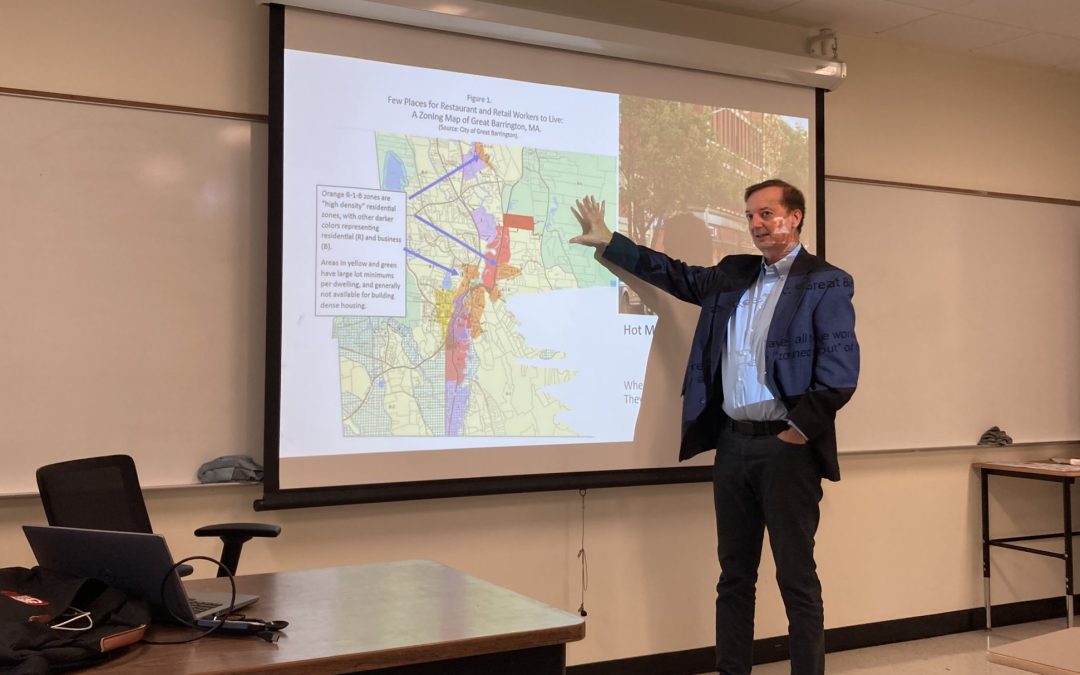
On November 10th, the Liberty over Lunch students hosted Craig Richardson where he presented his work on housing availability and affordability. Through a discussion of his paper, “Did the 2010 Dodd–Frank Banking Act Deflate Property Values in Low-Income Neighborhoods?” published in Public Choice, Professor Richardson reveals that the Dodd-Frank Banking Act had the unintended effect of reducing the mortgage funds available for low priced homes. The Dodd-Frank Act caused this by increasing the cost of loan processing by increasing the regulatory requirements, such as a more detailed income verification process that led to the closure and consolidation of many community banks. By increasing the cost of every loan, banks needed higher value mortgages to cover the increasing cost of loan origination. Second, Dodd-Frank limited the revenue banks could generate through loan origination. These combined effects made it nearly impossible for potential borrowers to find a lender for homes under $100,000.
Professor Richardson also chatted with the students about how to look for policy questions that can help improve the lives of low-income families.
Liberty over lunch: Economist Celeste Carruthers
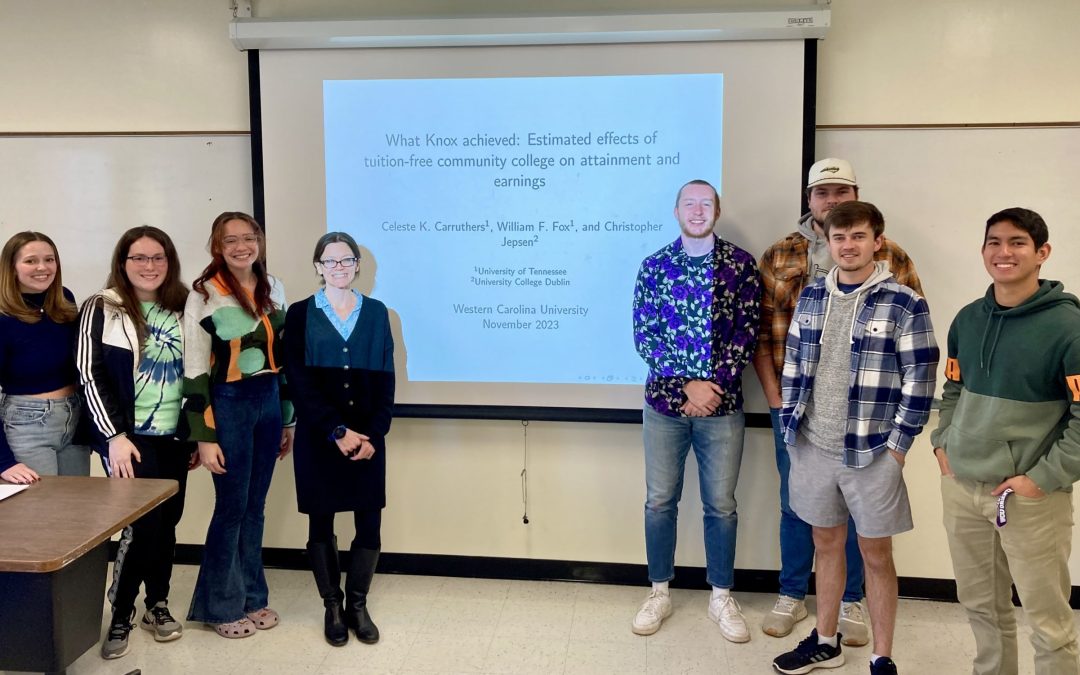
On November 3rd, the Liberty over Lunch students hosted Professor Celeste Carruthers of the University of Tennessee. Professor Carruthers holds the William F. Fox Distinguished Professorship of Labor Economics in the Haslam College of Business.
Professor Carruthers presented her work examining the “free community college” program on college credit accumulation, college completion, and medium-term labor-market outcomes. The Knox Achieves Program pledges tuition-free community college to any Knox County, Tennessee high school graduate and served as the model for the statewide Tennessee Promise program as well as local and state initiatives across the U.S. She and her coauthor find that Knox Achieves eligibility led to a 24% higher likelihood of attaining an associate’s degree within nine years of high school, alongside positive but insignificant changes in the likelihood of attaining a bachelor’s degree, and negative but insignificant changes in in-state earnings.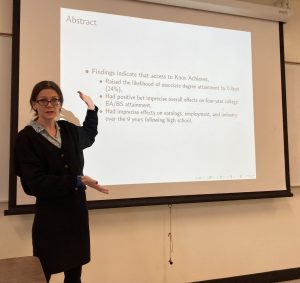
Professor Carruthers also fielded questions about her life as a graduate student at the University of Florida, her experience looking for a job after earning her Ph.D., and how students should prepare for graduate school.
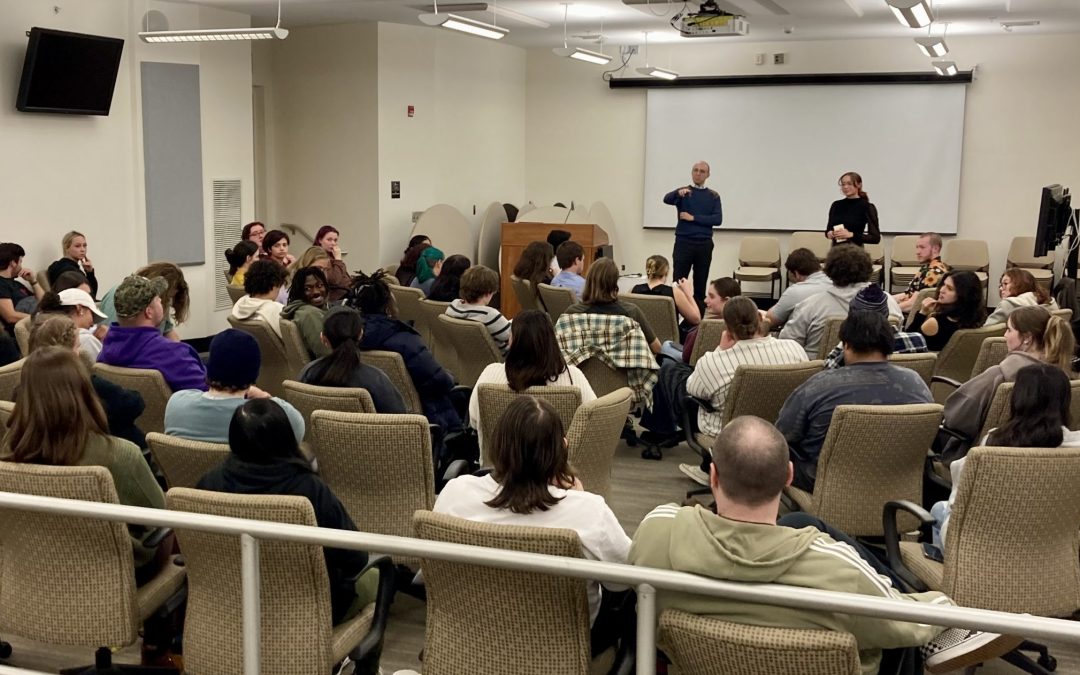
Campus-Wide Debate: Should gender affirming care for youth be banned?
On November 1st, our Liberty over lunch seminar students hosted a campus debate at Western Carolina University on the question:
Should gender affirming care for youth be banned?
For over an hour and a half, students, faculty, and staff discussed the pros and cons of the question. Many excellent points were made, and the level of grace and humility was incredible.
I want to thank the Liberty over lunch students for selecting the topic and kicking off the debate, the Western Carolina University College of Business staff for helping with food and room arrangements, Doug Sprei for helping us select and frame our debate question, Wm. Bryan Paul for gently guiding us through the debate as chair, the Barnes Family Foundation of NC and Braver Angels for supporting the event, and Emily Jae and Jenna Robinson for recommending Braver Angels to lead the debate.
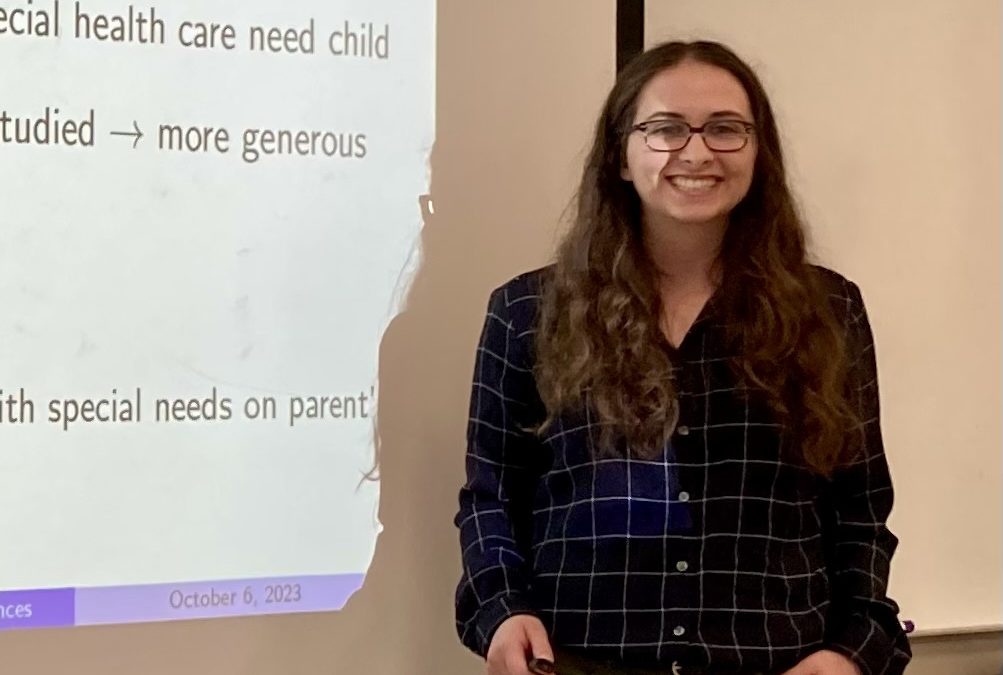
Liberty over lunch: Economist Abigail Cormier
On October 6th, the Liberty Over Lunch class was honored to host Abigail Cormier. Currently a third-year economics Ph.D. student at the University of Georgia, Cormier presented her working paper on the labor market effects of becoming a parent of a child with special health care needs. Cormier’s work is at the forefront of research on female labor force participation rate in developed countries. She also provided students with insights on how to navigate the graduate school application process and how to be successful in graduate school.
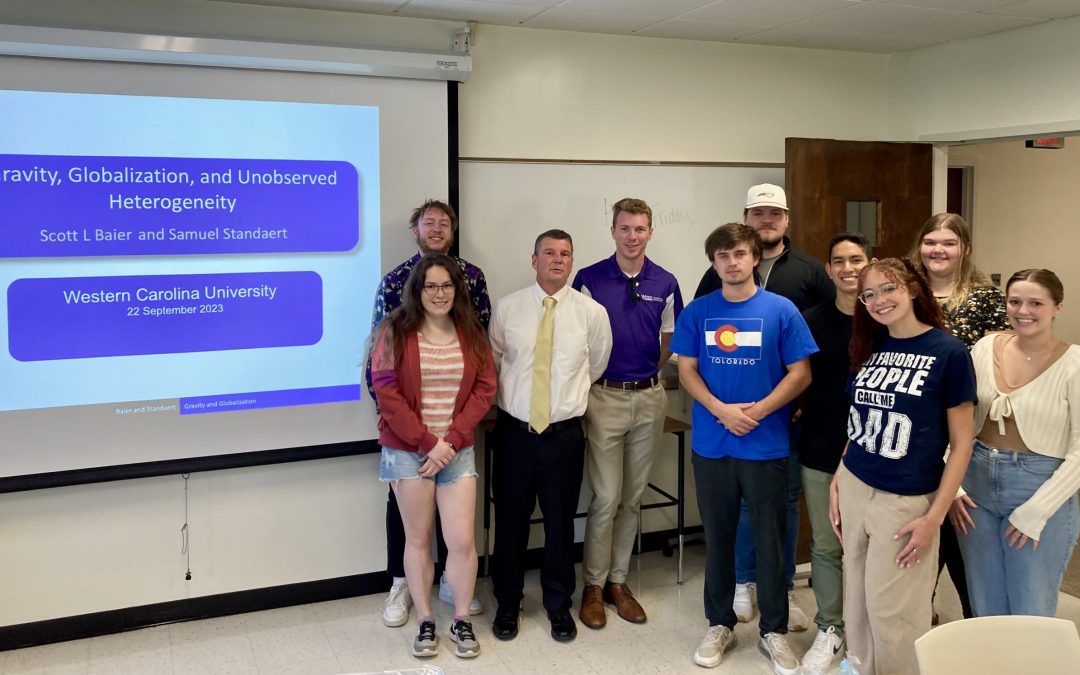
Liberty over lunch: Economist Scott Baier
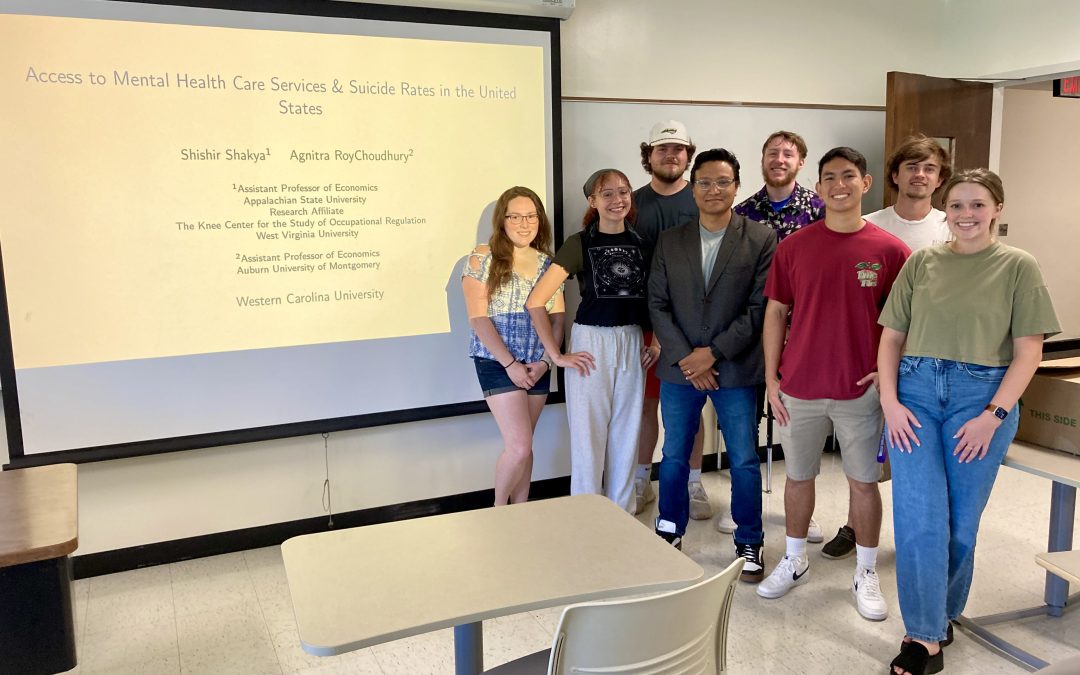
Liberty over lunch: Economist Shishir Shakya
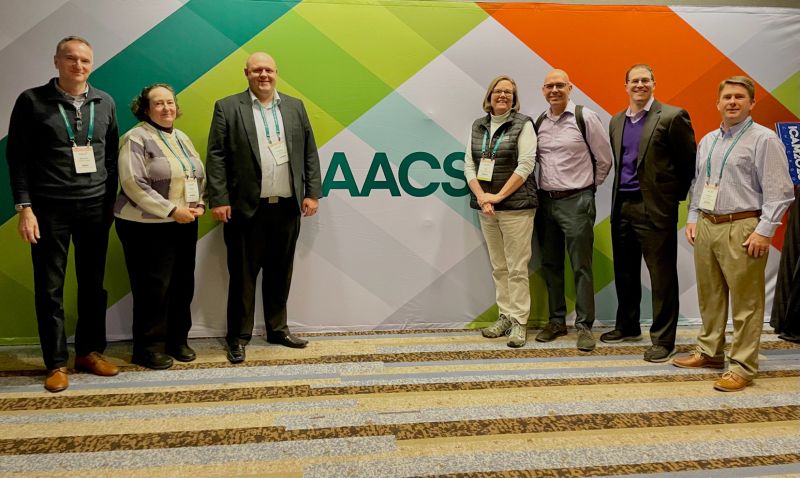
Attended the International Conference and Annual Meeting of AACSB
Thanks to the support of AJ Grube and the Western Carolina University College of Business, I was able to attend the International AACSB conference in Chicago. It was a pleasure meeting business deans, directors, and faculty from across the globe and renewing long time friendships. Much was learned from the sessions and informal conversations. I particularly enjoyed learning more about the challenges faced by smaller institutions and the creative ways many smaller schools and programs address these hurdles.
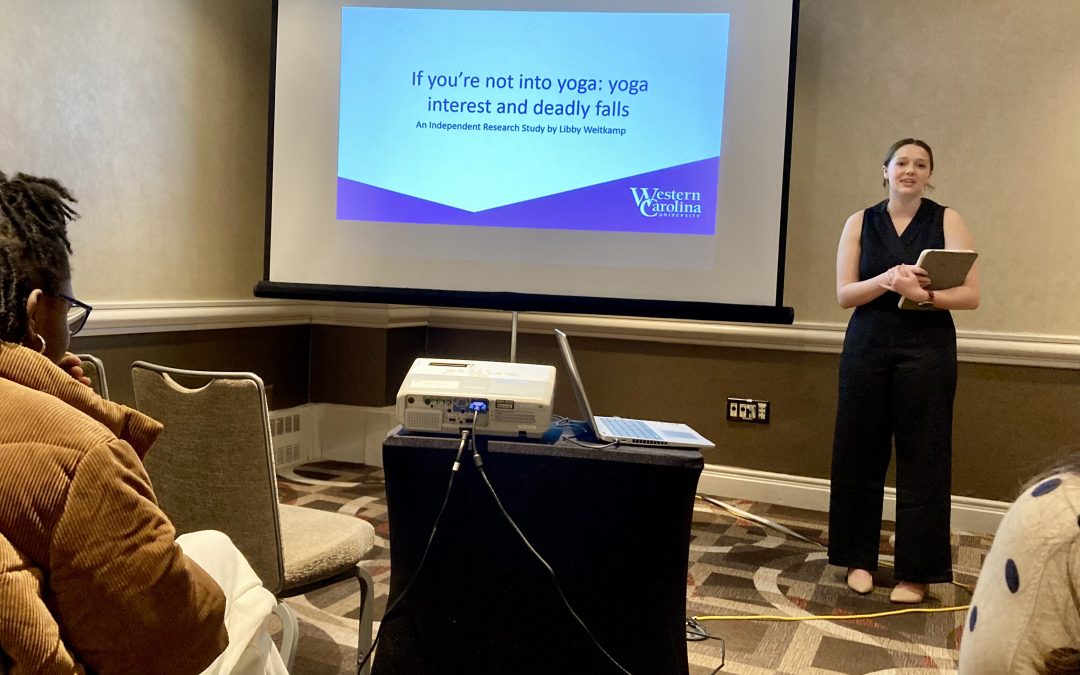
Libby Weitkamp Presents Her Research at the Eastern Economic Association Meetings
In March, Libby Weitkamp gave an excellent presentation of her paper, “If you’re not into yoga: yoga interest and deadly falls,” at the Issues in Political Economy Undergraduate Research Sessions of the Eastern Economic Association meetings in New York City. Her preliminary results suggest that states that are more interested in yoga have lower incidences of deadly falls by those 65 years of age and older. She ably fielded questions and received helpful guidance and feedback. Her work was supported by the Barnes Family Foundation of North Carolina through the CSFE.
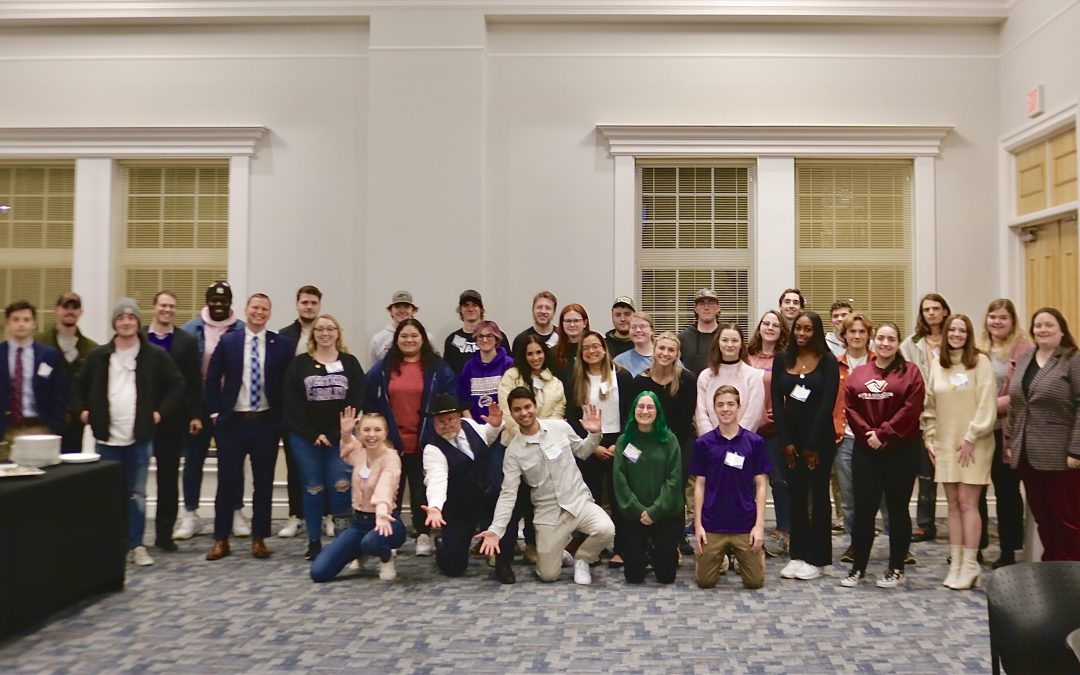
Exploring Liberty, Community, and Prosperity
On February 3rd and 4th, 2023, with support from the Barnes Family Foundation, the CSFE hosted a two-day weekend seminar on listening, learning, and community building. The Liberty, Community, and Prosperity Weekend Seminar was led by three talented guest faculty:
Anthony Gill | Department of Political Science | University of Washington
Professor Gill gave two presentations: “Culture and Political Economy: The Critical Role of Civil Society in Preserving Market Freedom.” & “The Dynamic Efficiency of Gifting”
Audrey Redford | Department of Economics | Hampden-Sydney College
Professor Redford presented: “Private and Public Choice” & “Malnovation, Drug Prohibition, and the Opioid Crisis”
Marcus Witcher | Huntingdon College
Professor Witcher gave talks on: “How Government Restricted African American Flourishing” & “Black Liberation through the Marketplace”
The weekend seminar was a success! Over 50 individual students attended one or more presentations, with a total attendance of over 100 for the weekend. Our guest faculty continued the discussions with students over meals and into the evening socials. Many students have continued to send questions about additional readings and future academic enrichment opportunities.
He also shared stories about his work on the Council of Economic Advisors from 2007-2008.